Hey guys, it’s Vanessa! You know I am totally obsessed with all things lululemon. From doing huge unboxing hauls to testing out their latest drops, this brand is basically my entire wardrobe. I’m also always on the hunt for the absolute best deals for you guys, so if you’re looking to score some amazing finds, definitely bookmark my ultimate lululemon sale guide to keep up with the latest markdowns!
Lately, my feed has been flooded with “dupe” videos, but things are getting seriously complicated on the legal front. Grab a matcha, because we need to talk about some major news that might completely change how we shop for activewear online.
📌 News Overview
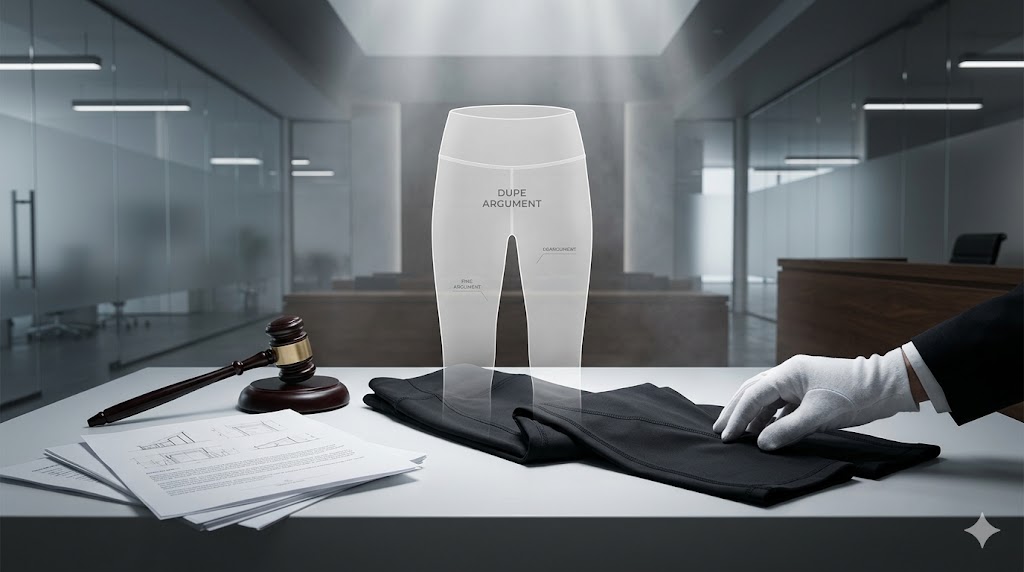
According to a May 2026 report by Law.com, Lululemon just dropped a massive legal argument in an ongoing trademark infringement lawsuit. They are arguing that “LULULEMON DUPE” isn’t a trademark filing made by a competitor, but rather a deliberate strategy used to calculate financial damages. Basically, Lululemon is claiming that the endless flood of products hitting the market labeled as “dupes” is actively infringing on their trademark and causing them substantial economic harm. If the court actually sides with them, this is going to send massive shockwaves through the fashion industry, changing the way brands handle trademark protection and anti-counterfeiting lawsuits forever.
🔑 Core Takeaways
- An Innovative Legal Argument: Lululemon isn’t claiming “LULULEMON DUPE” is a standalone trademark. Instead, they’re saying it’s an infringing descriptive term used by competitors, which directly violates their trademark rights.
- Calculating the Damages: The core of this argument is all about the money—if the court agrees that “LULULEMON DUPE” is an infringing marketing term, Lululemon can demand much higher financial compensation.
- Massive Industry Impact: The outcome here will redefine the legal boundaries of marketing “affordable alternatives” across the entire fashion world. It might literally ban brands from using the word “DUPE” to sell their stuff.
- Founder Drama on the Side: While all this is happening, Lululemon is also in a very public board battle with their founder, Chip Wilson, with the company officially calling his views “misguided” and “outdated.”
🔍 Industry Background
Let’s be real—trademark lawsuits are super common in fashion. According to U.S. Federal District Court data, fashion brands filed over 2,500 trademark infringement suits in 2025 alone, and about 60% of those targeted counterfeits and “affordable alternatives.” The whole “dupe” culture has absolutely taken over social media. You can’t scroll through TikTok or Instagram without seeing millions of videos tagged with #dupe, showing off budget-friendly pieces that look exactly like high-end luxury items.
But here is the catch: the legal status of the word “DUPE” has always been a gray area. On one hand, “dupe” (short for duplicates) isn’t a registered trademark; it’s just a descriptive slang word. On the other hand, when a random brand slaps “LULULEMON DUPE” into their product titles, descriptions, or ads, it enters dangerous territory. It can cause serious consumer confusion, making shoppers think the budget product is somehow affiliated with or endorsed by Lululemon.
What makes this specific Lululemon case so fascinating is that they aren’t just fighting traditional trademark infringement (like stealing a logo). They are going after “marketing terminology infringement.” Even if the product itself doesn’t physically copy Lululemon’s exact design, simply using the phrase “LULULEMON DUPE” to market it would be considered illegal. If they win, trademark protection is going to get a whole lot broader.
📊 Industry Insights
- Expanding Trademark Boundaries: We are moving from just protecting “logos and designs” to protecting “marketing terms.” If Lululemon wins, expect tons of other brands to jump on the bandwagon and ban “DUPE” marketing.
- Legal Risks on Social Media: TikTok and Instagram creators love #dupe content, but the legal risks are totally underestimated. Both brands and influencers could start getting hit with lawsuits.
- The Market for Alternatives: Dupe culture exists because people want affordable options. Even if the law bans the word “DUPE”, that consumer demand isn’t going anywhere; budget brands will just have to get creative with their marketing.
- Lululemon’s Fierce Protection Strategy: Lululemon has been going hard on protecting their brand, filing over 50 trademark infringement suits in 2025 alone. This new case is just the crown jewel of their aggressive legal strategy.
💼 Business Impact Analysis
🎯 Key Data
- 2,500+: Number of trademark infringement lawsuits filed by fashion brands in 2025 (Source: U.S. Federal District Court).
- 60%: The percentage of those lawsuits directly involving counterfeits and “affordable alternatives.”
- 50+: Trademark suits filed by Lululemon in 2025 alone.
- Millions: The estimated number of posts tagged with “dupe” currently floating around TikTok and Instagram.
📈 Trend Forecast
Short Term (6-12 Months): This ruling is going to have everybody watching. If Lululemon wins, expect at least 10 to 20 other major fashion houses to file similar lawsuits immediately. We might even see platforms like TikTok and Instagram update their content policies to actively restrict “Brand Name + DUPE” tags.
Long Term (1-3 Years): Marketing will likely shift from “Brand Name + DUPE” (e.g., “LULULEMON DUPE”) to “Style Description + DUPE” (e.g., “Flared Yoga Pant Alternative”). Budget brands will adapt. However, IP protection costs for fashion labels will skyrocket as trademark boundaries continue to stretch into new marketing buzzwords.
🌐 Use Cases
Target Audience: Fashion brand legal teams, e-commerce sellers, social media content creators, and consumer rights advocates.
Scenarios: Legal teams are tracking this ruling to see if they can sue for the same thing. E-commerce sellers need to scrub “Brand Name + DUPE” from their listings immediately. Content creators will have to start saying things like “similar vibe” instead of using the “D-word” when reviewing budget finds.
Solutions: Brands are going to build bulletproof IP systems using a “Register + Monitor + Sue” pipeline. For instance, they’ll register variations of their name (like “LULULEMON,” “LULU,” “LEMON”), use AI tools to scrape social media for infringements, and take frequent legal action. Conversely, brands might also just launch their own affordable sub-labels to capture that budget-conscious market themselves!
❓ FAQ
Q1: What exactly is a “DUPE” and why is Lululemon so mad about it?
A: “DUPE” is short for duplicates, basically meaning an affordable alternative. Lululemon is suing because competitors are using the phrase “LULULEMON DUPE” in their product titles and ads. Lululemon argues this is trademark infringement because it tricks consumers into thinking the knock-off is associated with the real brand.
Q2: If Lululemon wins, are all “dupe” videos going to be banned?
A: Not completely banned, but definitely restricted! Brands and creators won’t be able to say “Brand Name + DUPE” anymore. You’ll probably start seeing “Style Description + DUPE” (like “buttery soft yoga pant alternative”) instead. Lululemon is attacking the *marketing term*, not the existence of affordable clothes.
Q3: How does this actually affect us as shoppers?
A: In the short term, you might see way fewer “dupe” videos on your timeline, making it a bit harder to find cheap alternatives quickly. Long term, budget brands will just change how they advertise. You’ll still be able to find those styles by searching for the aesthetic rather than the brand name. The clothes aren’t going anywhere—just the hashtag!